
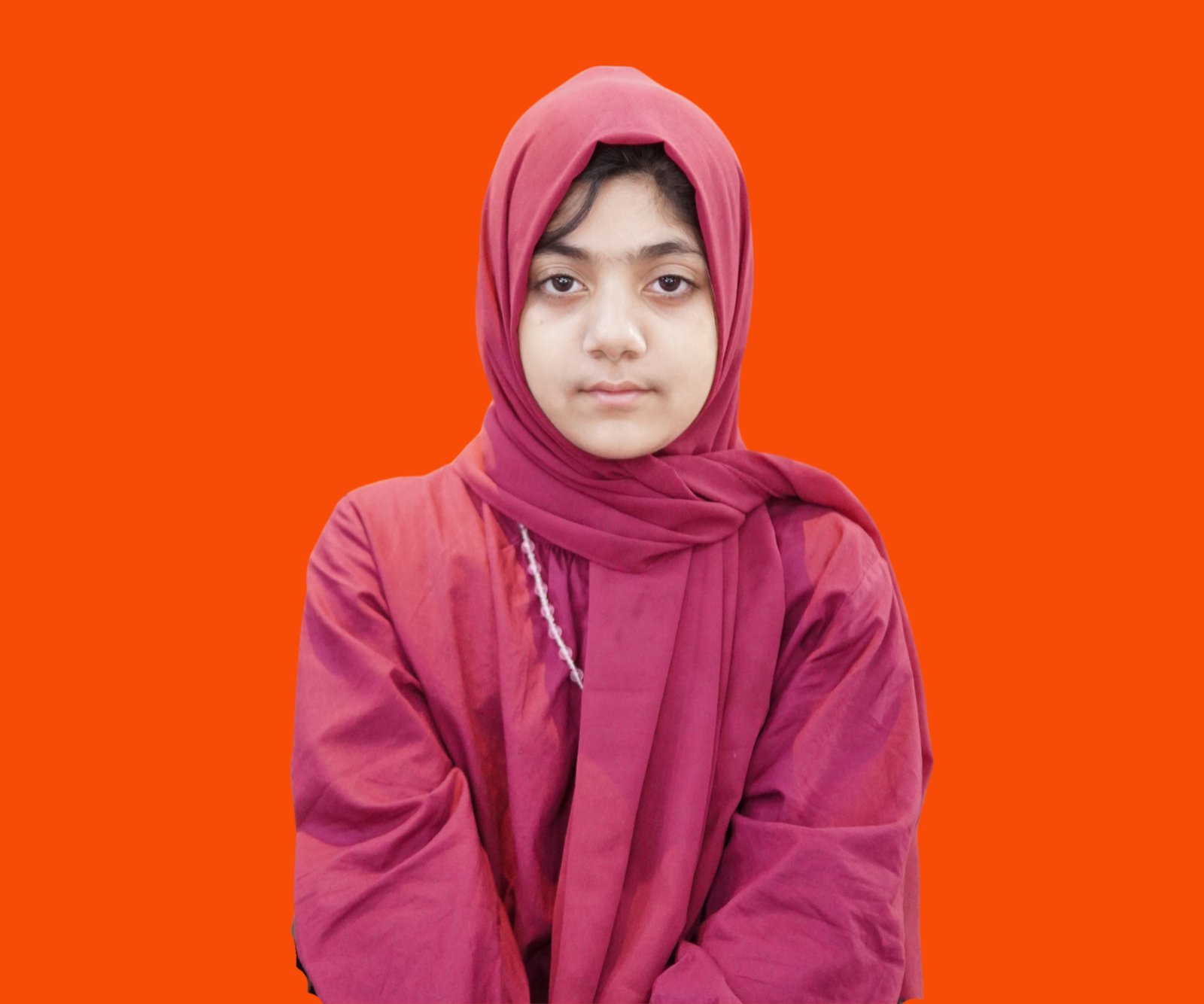
Maheer Fatima was already making bangles, bracelets, and charms before Bangle Nest became a business idea. At 10 years old, she was not starting with a business plan. She was starting with something much simpler: a skill, some curiosity, and a willingness to find out whether people would actually want what she could make.
That question changed everything.
During her first Idea Refinement session with StartupKidz, Maheer was encouraged to speak with women, teenage girls, and university students about the kind of jewellery they would want to wear every day. She went to the people around her. She spoke with women and girls in her family, her surroundings, school friends, and university-going cousins.
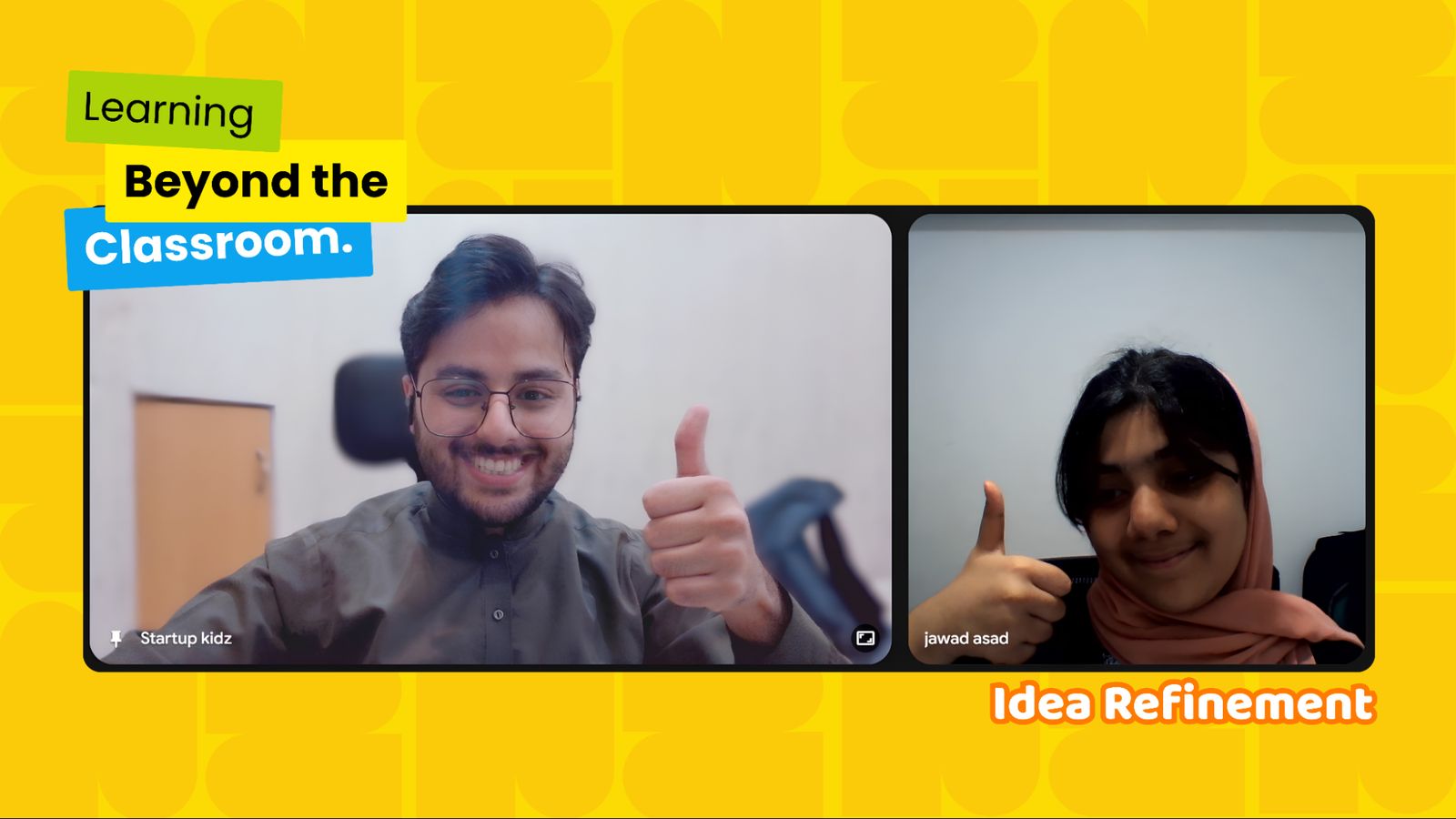
Their answers gave her direction. They wanted jewellery that could work with different outfits, feel modern without losing an Eastern identity, and be practical enough for everyday wear.
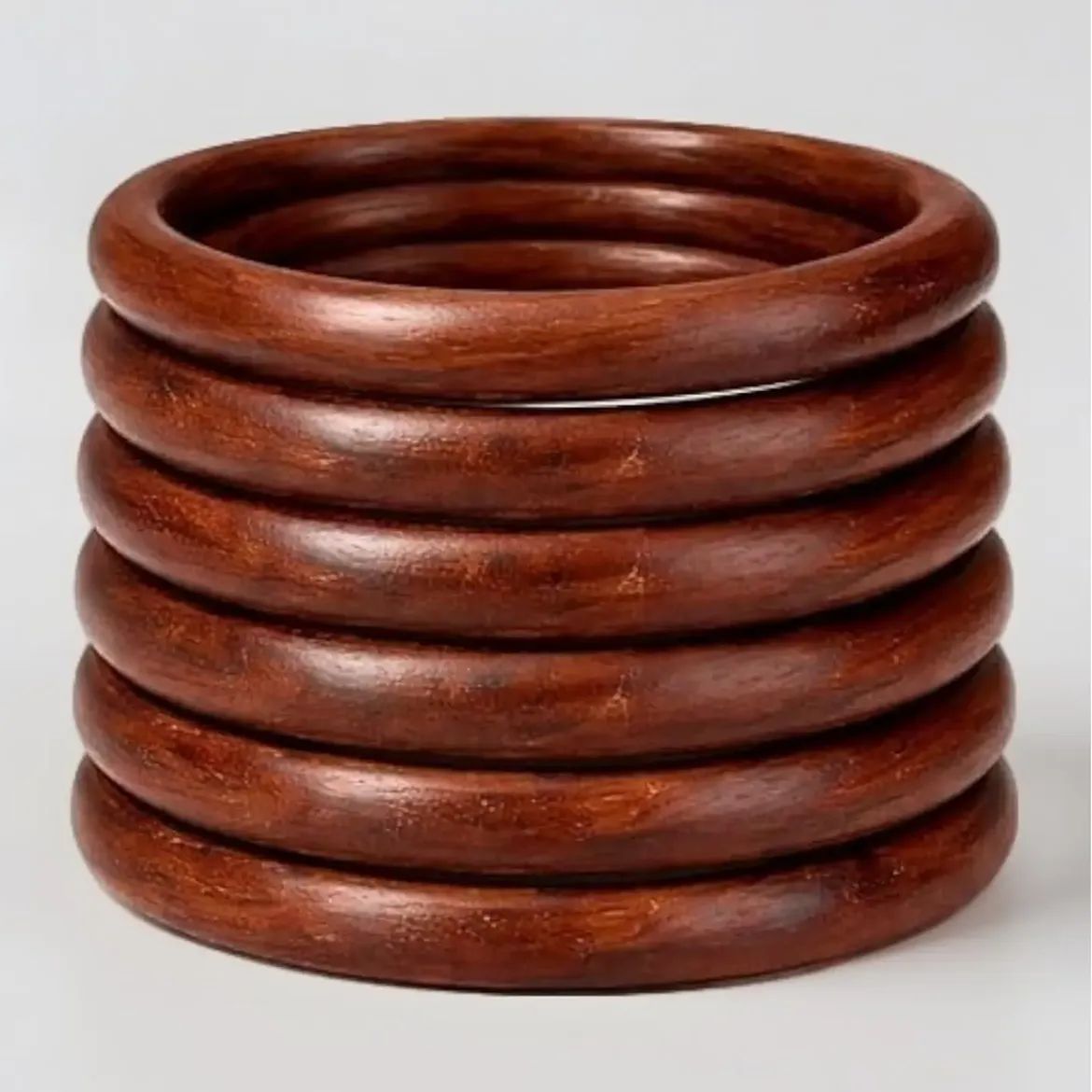
Maheer began seeing an opportunity. And that opportunity became wooden bangles.
The First Version Was Not Good Enough
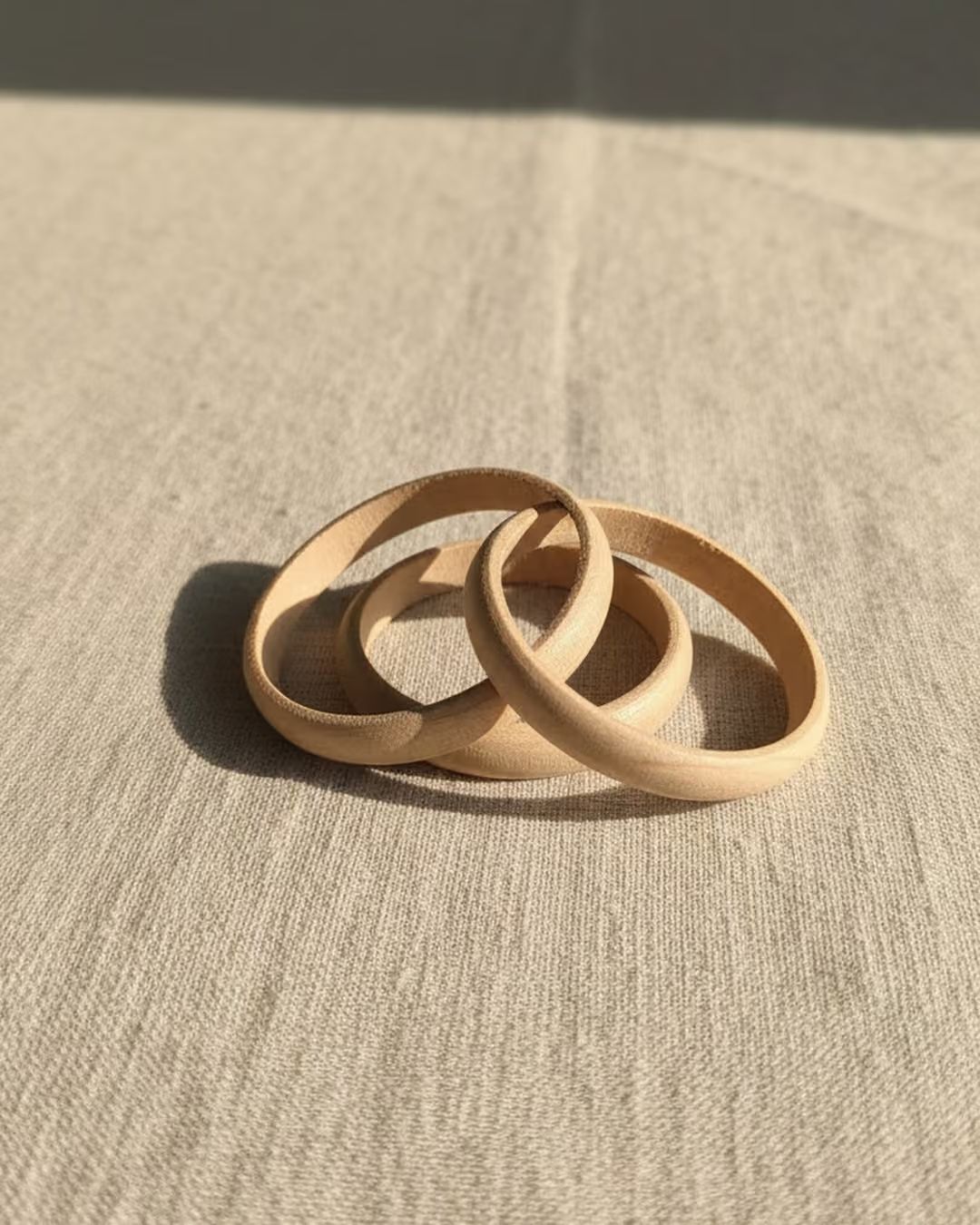
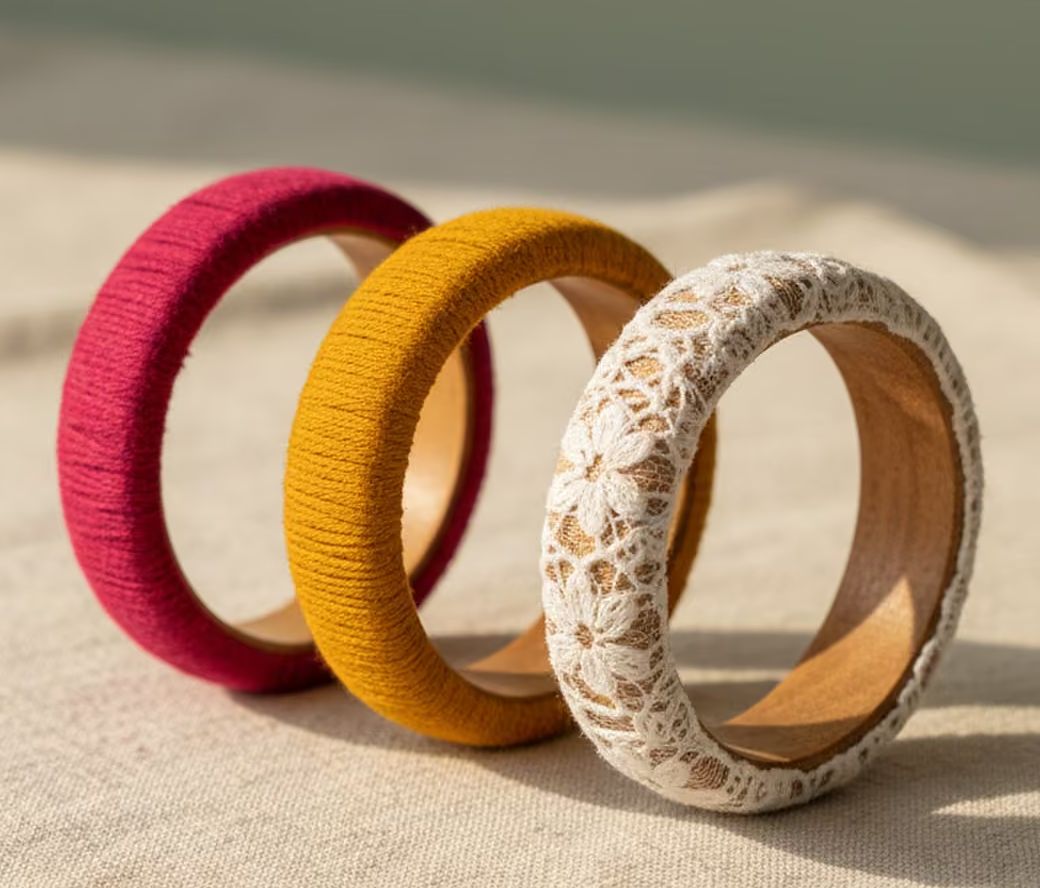
Maheer chose to work with waste and unutilized wood and experiment with natural food-colour extracts. Turmeric gave one set a pale yellow tone. Beetroot produced a deeper red-pink hue.
The idea was thoughtful. The execution wasn't there yet.
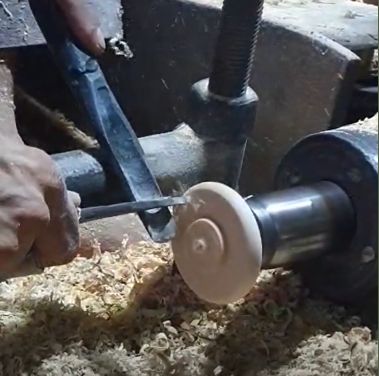
At the StartupKidz Marketplace during The Build Cave, Maheer presented her first MVP to strangers. Then the problems appeared. The bangles had been made in the same diameter, so many people could not properly try them on. The waste wood had an uneven surface, which meant the natural colours did not distribute consistently. The finish was not smooth enough. The product lacked the shine and polish customers expected.
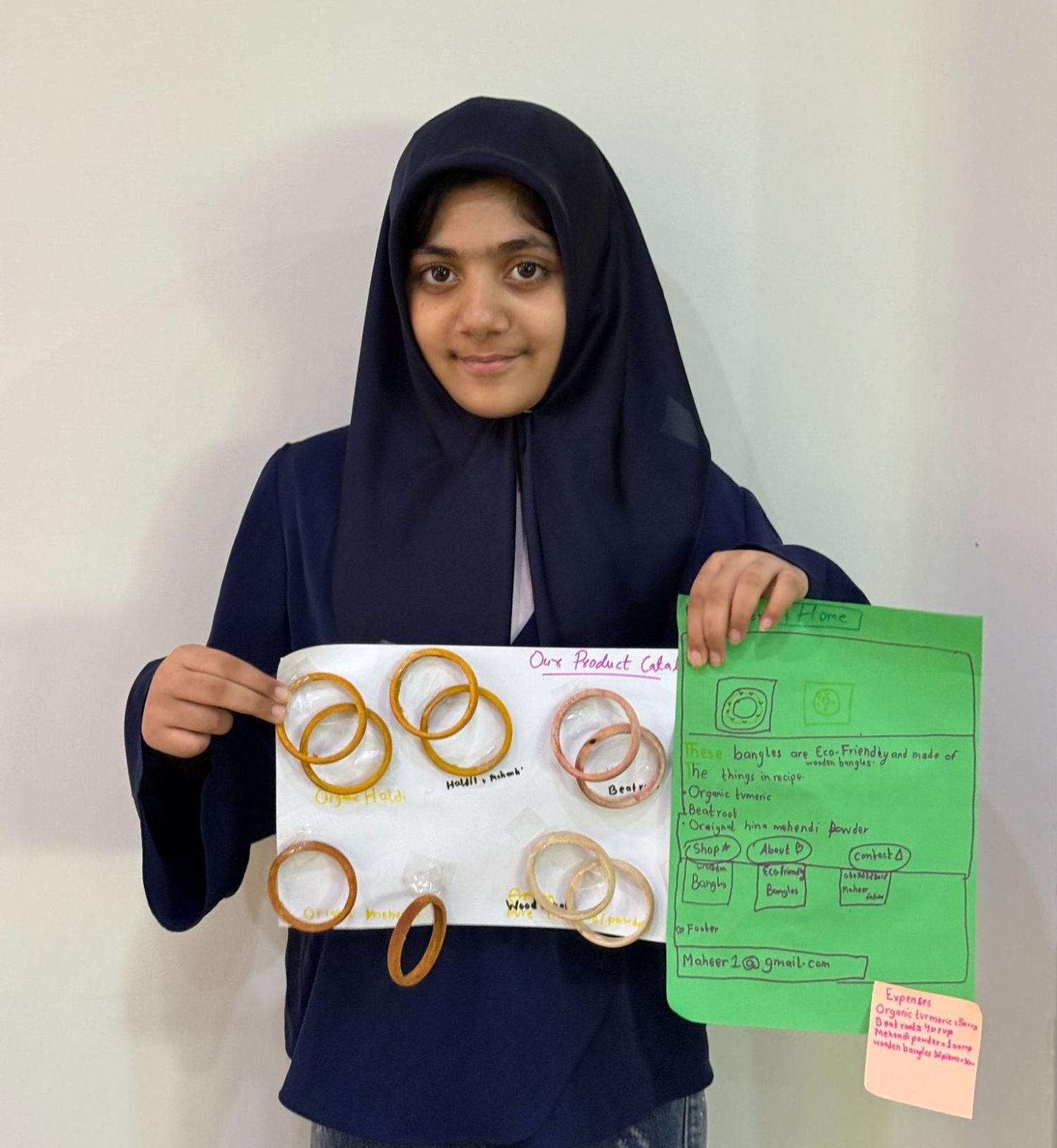
And the outcome was clear: Maheer did not sell a single bangle.
For a 10-year-old, that could easily have felt like failure. Instead, it became feedback.
The Mistake Became the Method
During the next Build a Toy session, Maheer went back through the criticism. She learned that customer requirements could not be an afterthought. The next version needed better sizing, a smoother finish, stronger visual appeal, and an easier fit. She also reconsidered how much waste wood should form the collection. Rather than relying entirely on it, she decided to incorporate it selectively while improving the overall quality of the product.
The biggest lesson came from the sizing mistake. She had made the entire first run the same size. Then customers showed her something obvious she had not considered: people's wrists are not all the same size.
That error eventually changed how Bangle Nest would work. Instead of building a large stock of identical pieces, Maheer moved toward making products according to the person who would wear them. The error turned into the way the business works.
That is a remarkably practical lesson for a Grade 5 student.
Then the Market Gave Her Another Idea
Maheer brought her revised collection to The Digital Frontier. This time, the response was positive. But something else happened.
Male fellows and a StartupKidz core team member suggested that Bangle Nest could create something for boys and men too — leather bracelets in standard colours. It was not part of her original plan. She explored it anyway.
Maheer discussed the idea with her father. Together, they researched local markets, found a vendor in Faisalabad, sourced suitable leather, and she began assembling the bracelets herself. She created three standard colours.
A new product had emerged from a conversation with customers. Maheer was beginning to learn that building does not always mean following the original plan. Sometimes, the market gives you the next idea.
Then Someone Asked, "What's the Price?"
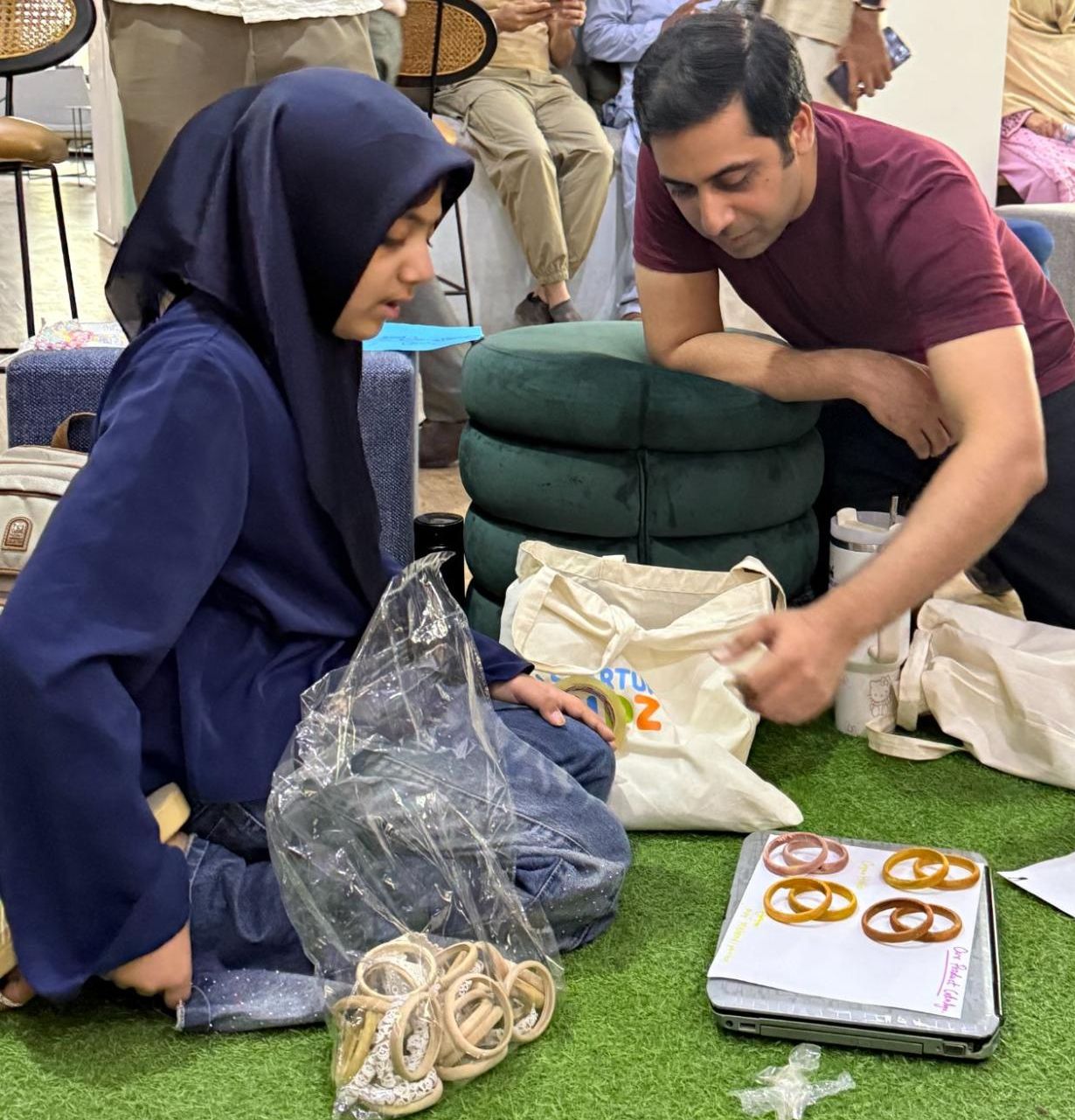
At the final session, Maheer presented her new collection carefully, arranging each piece on a glass-and-wooden display box. The presentation stood out.
People began looking closely at the leather bracelets. One particular black bracelet caught attention. It was picked up, examined, and tried on. Then came a question Maheer had never heard about something she had created herself: "What's the price?"
She was shocked. This time, someone was not simply evaluating her work. Someone wanted to buy it.
Maheer and the customer negotiated. They settled on PKR 1,000. The bracelet was sold on the spot.
For a business, PKR 1,000 is a small transaction. For a 10-year-old hearing a customer ask for the price of something she had made herself, it meant something much bigger. Her product had crossed a line. It had gone from something she made to something someone valued enough to buy.
And with that first sale came something else: confidence.
What She Learned Was Bigger Than Jewellery
Maheer's four-week journey taught her how to ask the right questions. She learned to receive constructive feedback without defending the first version of her idea. She learned to implement that feedback. She learned to recognize a new customer opportunity when it appeared. And she learned how to speak directly with a customer, negotiate, and make a sale.
These lessons are visible in the way Bangle Nest evolved. But the most interesting part is what they reveal about Maheer herself.
She did not need her first product to be perfect. She needed to discover what happened when it wasn't.
What Bangle Nest Is Really About
Maheer is not trying to build a chain of shops. Her ambition is quieter. She talks about natural practice — making things more like they used to be made, using what is already here, and making those materials count.
For a small business being built from home, it is a substantial idea. Yet she has already begun putting it into practice. Waste wood became part of a new product. Natural materials became part of the design process. Customer criticism became product improvement. An unexpected suggestion became a new market. And a failed first attempt eventually led to a first sale.
At StartupKidz, our role is not to claim ownership of that journey. We provide a safe and equitable environment where children can experiment, receive feedback, make mistakes, and try again. The building, however, belongs to the child.
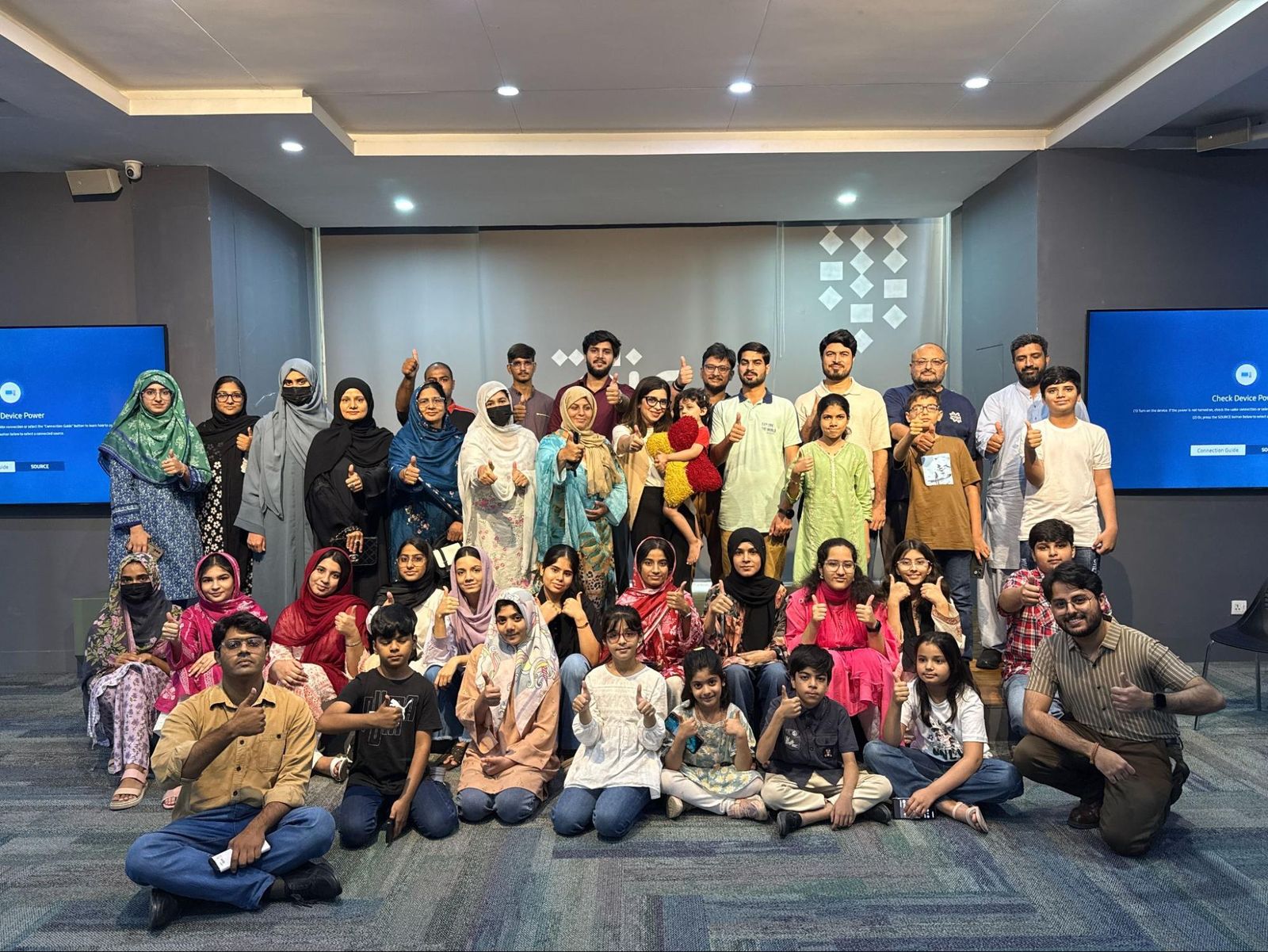
And in Maheer's case, she has already shown what can happen when a child is willing to make something, hear that it isn't quite right, and return to the work.
So, what can a 10-year-old make from what others leave behind? A bangle, perhaps. A business, eventually. But first, she can make something even more valuable: the confidence to keep building.