

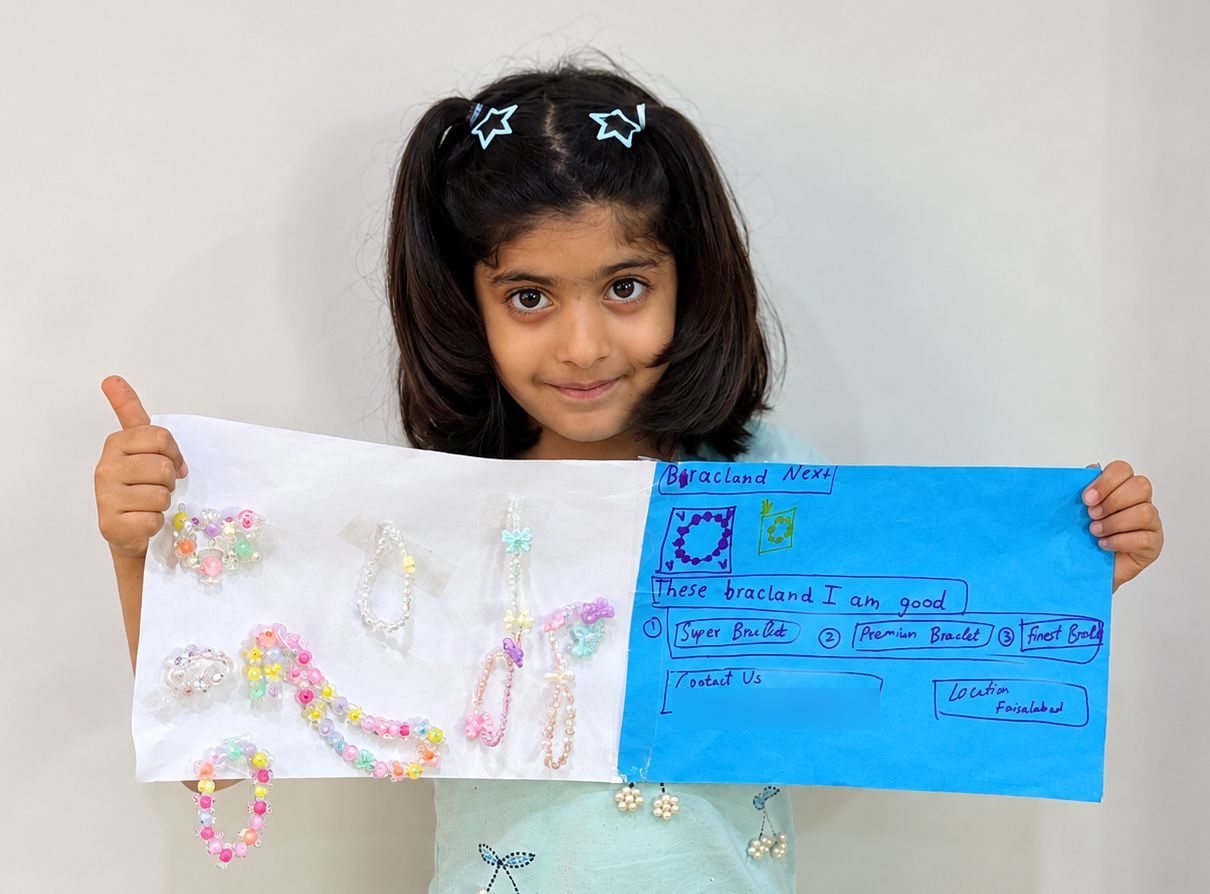
She loved candies so much that she would always keep one in her pocket. Four weeks later, that little interest had inspired a collection of handmade bracelets, her first marketplace experience, and the beginning of Braceland.
Some ideas begin with a business plan. Others begin with something as simple as a candy in a little girl's pocket.
For seven-year-old Zaima Batool, it was the latter.
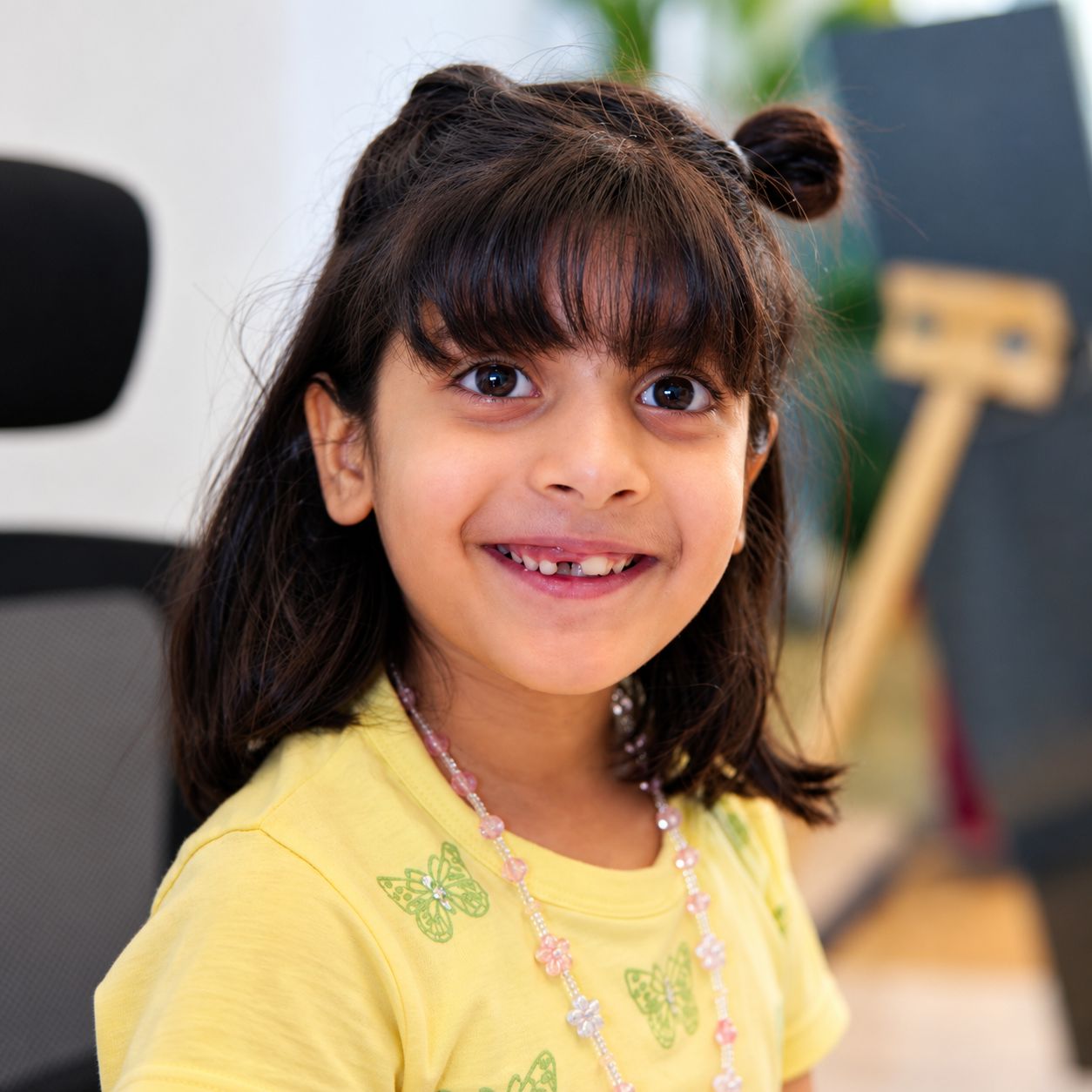
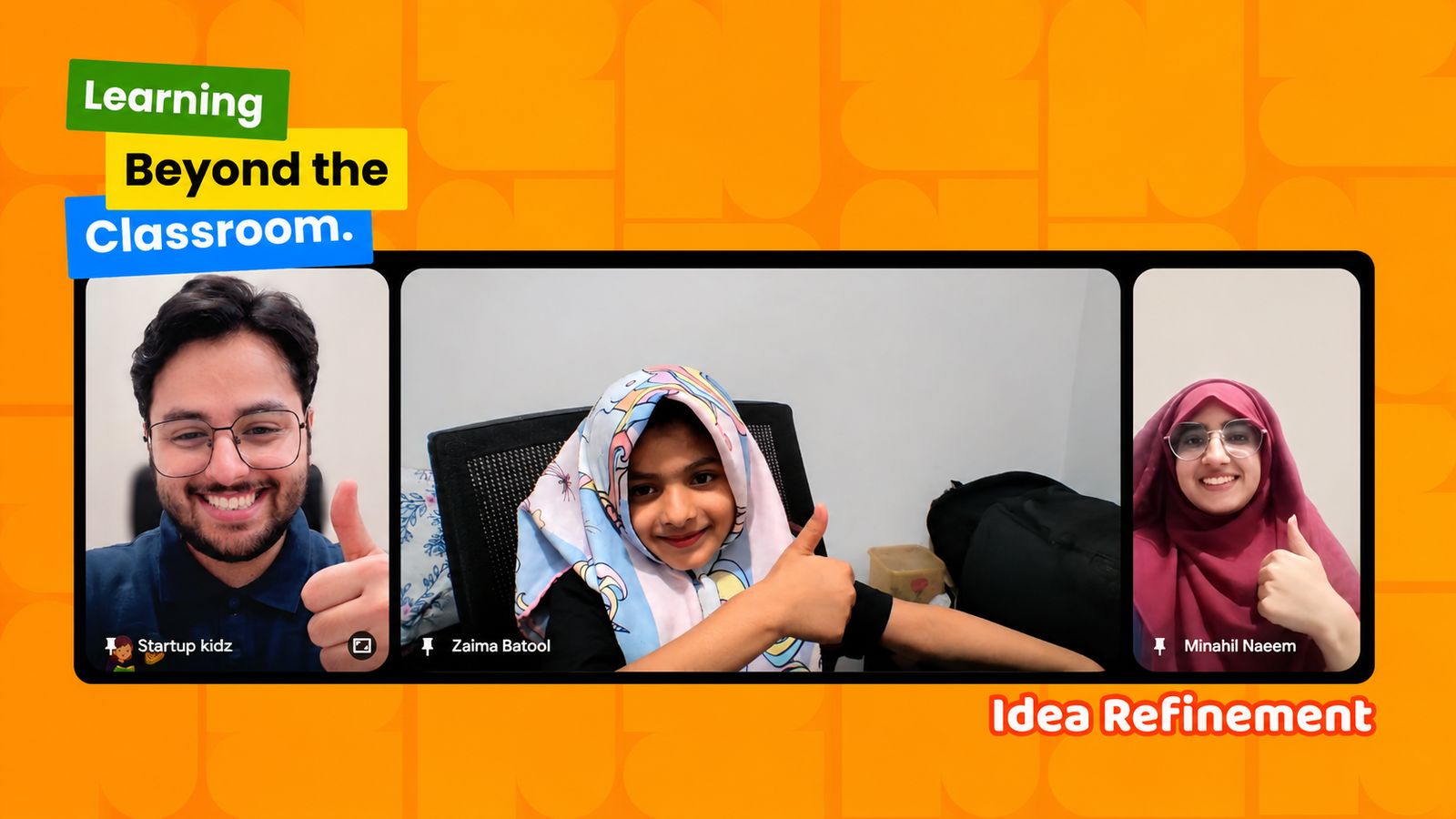
During an online Idea Refinement session with Owais Khan, Zaima was asked about the things she enjoyed. As they explored her interests, one detail stood out: she loved candies and almost always kept one in her pocket.
Owais encouraged her to think about turning something she genuinely loved into something she could create and wear herself.
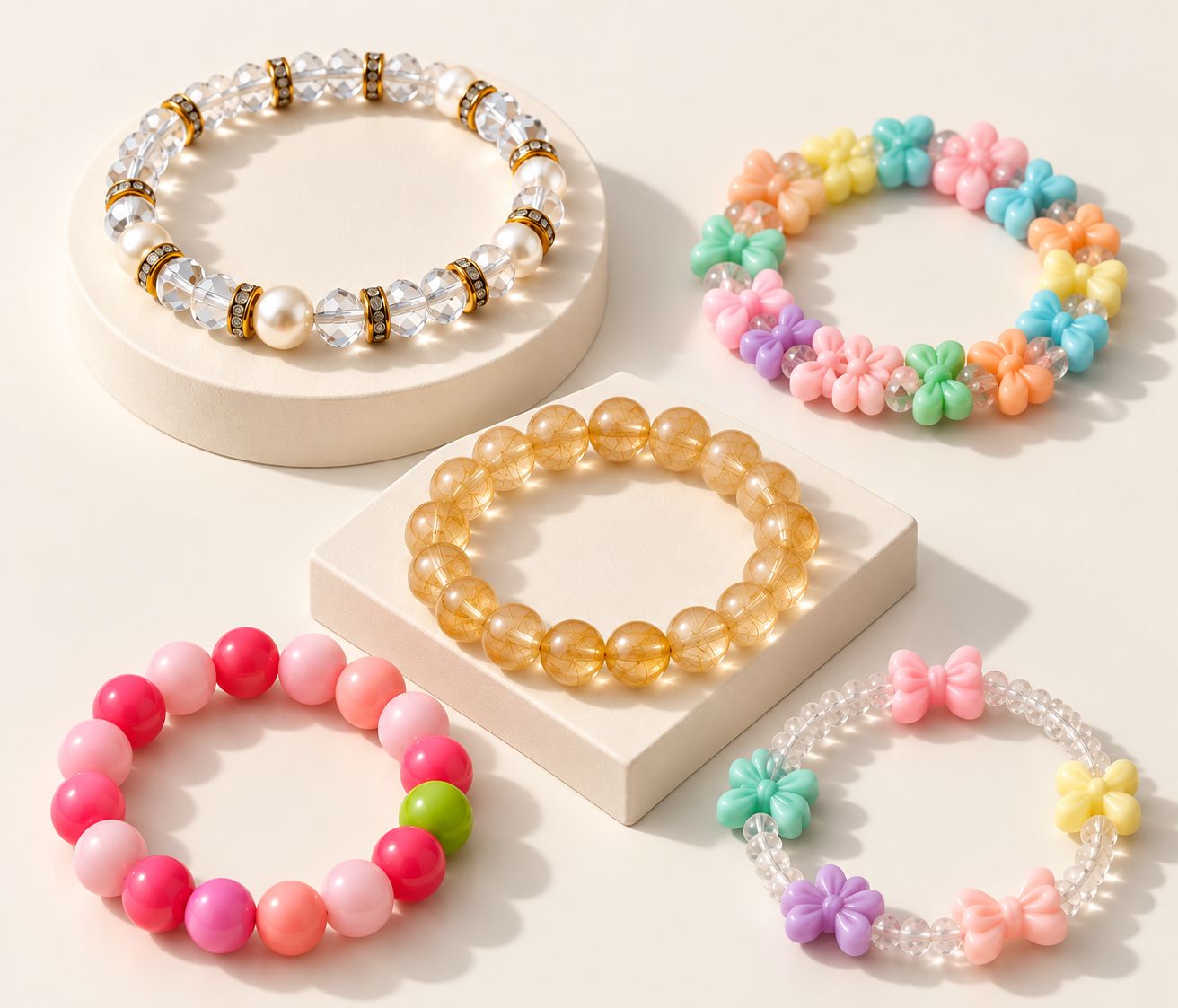
That question led to a simple idea. What if she could make bracelets inspired by the colours, sweetness, and joy of her favourite candies?
Zaima knew what she wanted to make. She just needed to figure out how to bring it to life.
A Little Idea Needed a Trip to the Market
Zaima shared her idea with her father. Rather than treating it as just another childhood interest, he encouraged her to explore it.
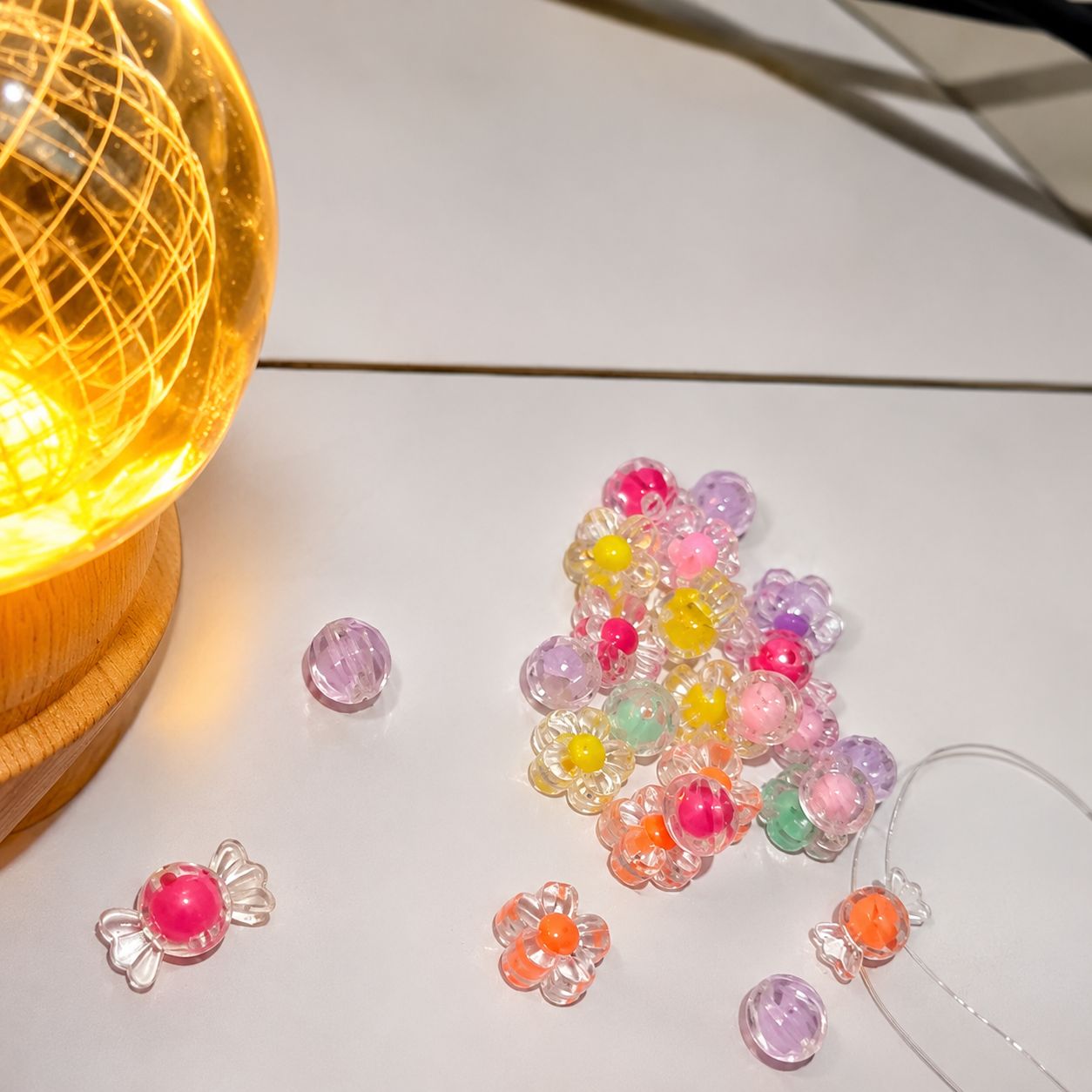
They went to the market together to find the beads and materials she would need. As they explored different options, Zaima began thinking about the people she wanted to make her bracelets for.
She wanted something children would enjoy wearing: colourful, fun, easy to put on, and expressive of their personalities. She also explored matching bracelet designs for mothers and their children.
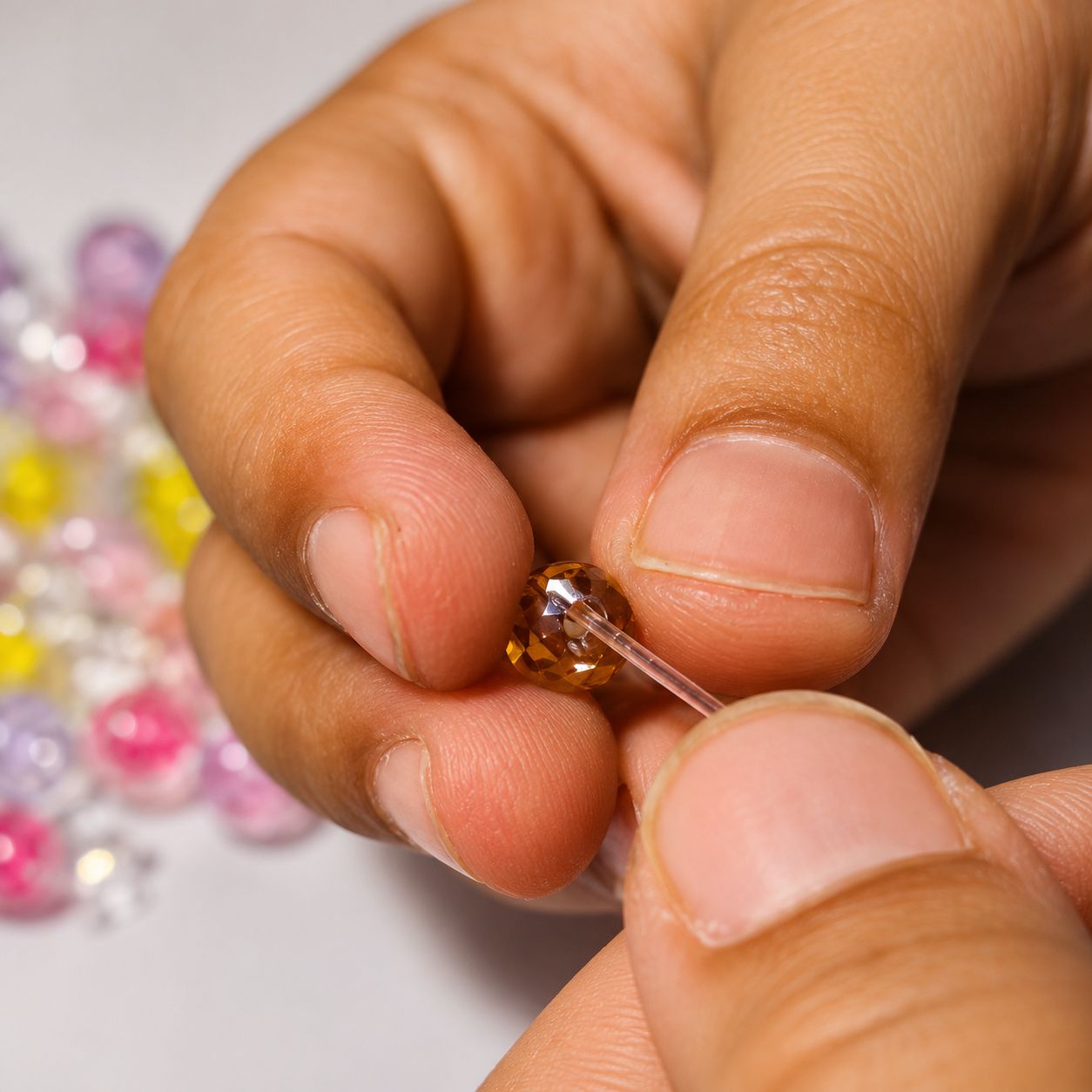
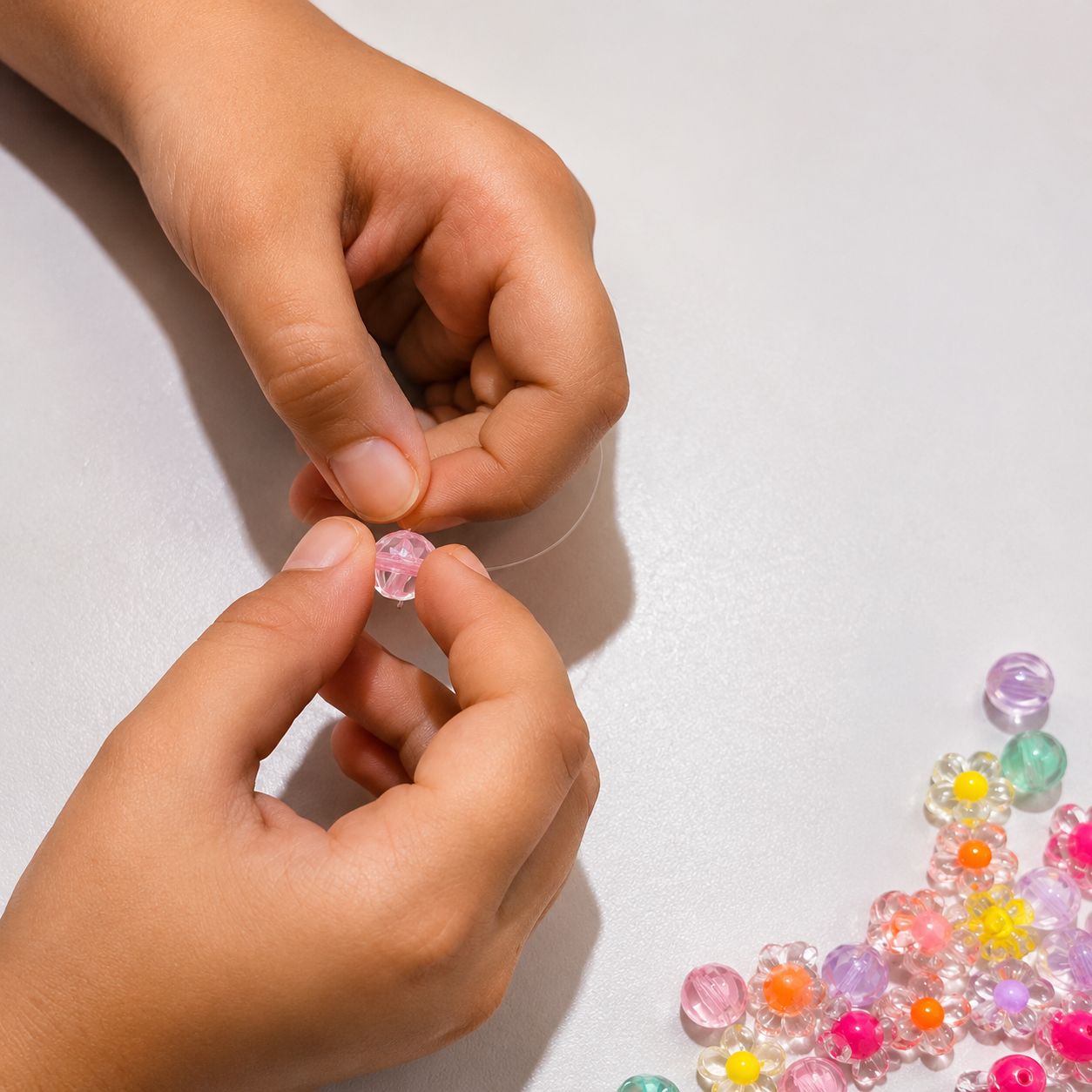
With the materials selected, she began making her first collection.
By the time The Build Cave marketplace arrived, Zaima had prepared six to seven bracelets. Her idea had moved beyond a conversation. She now had actual products to present to people.
And she was about to discover what it meant to sell something she had made herself.
Her First Marketplace Had a Surprise Waiting
Zaima was naturally confident around children her own age. Speaking to older customers, however, was not quite as easy.
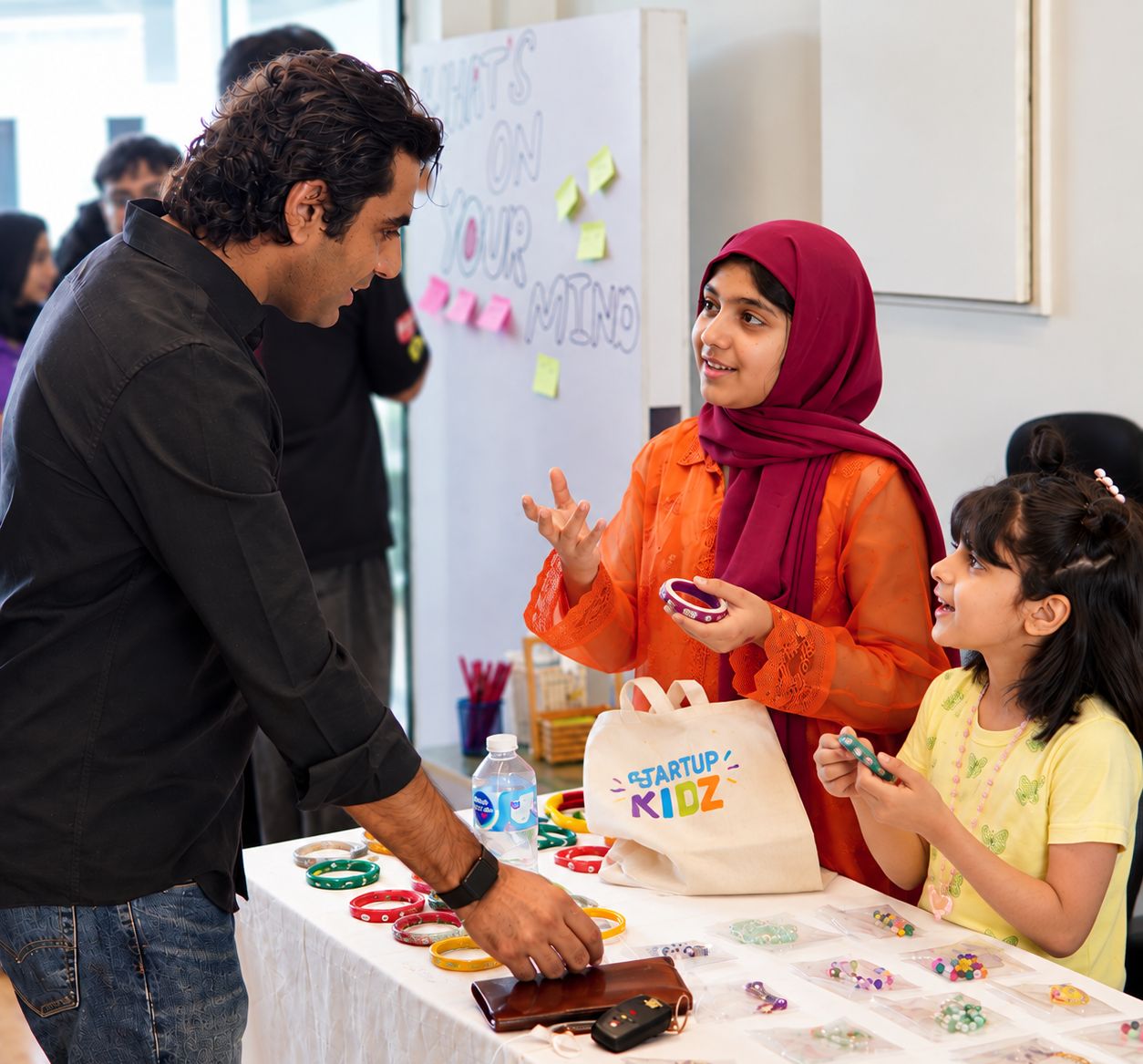
At The Build Cave, she had to approach people, introduce her bracelets, explain what she had made, and handle situations where customers did not respond or show interest.
The StartupKidz team encouraged her to keep trying. They helped her understand that not every customer would be interested, and that this was a normal part of selling. Sometimes, the most important thing was simply to be patient enough to approach the next person.
Zaima also began finding her own ways to encourage purchases. When a customer bought two bracelets, she would offer a smaller bracelet as an additional gift.
She had discovered a little sales tactic of her own.
Before the marketplace activity ended, she had sold her entire collection and earned approximately PKR 600-700.
For a seven-year-old, selling out her first collection was a memorable beginning. But the experience also revealed something the team wanted to work on with her.
Zaima was good at convincing people to buy. What she had not yet fully understood was how to price her work in a way that reflected its value.
Learning That Selling and Pricing Are Not the Same Thing
During the four-week Young Entrepreneur Program, Zaima explored different aspects of building a small business, including pricing strategy.
Until then, her instinct had been to keep prices nominal and use small incentives to encourage customers to purchase more. It helped her sell, but it did not necessarily reflect the value of the work she was putting into her bracelets.
Through discussions and practical examples, the team introduced her to a different way of thinking: a product should not be priced only to make it easier to sell. Its materials, design, effort, and the experience it offers to a customer also matter.
But there was only so much she could learn through a session.
The real understanding would come when she stood in front of customers again.
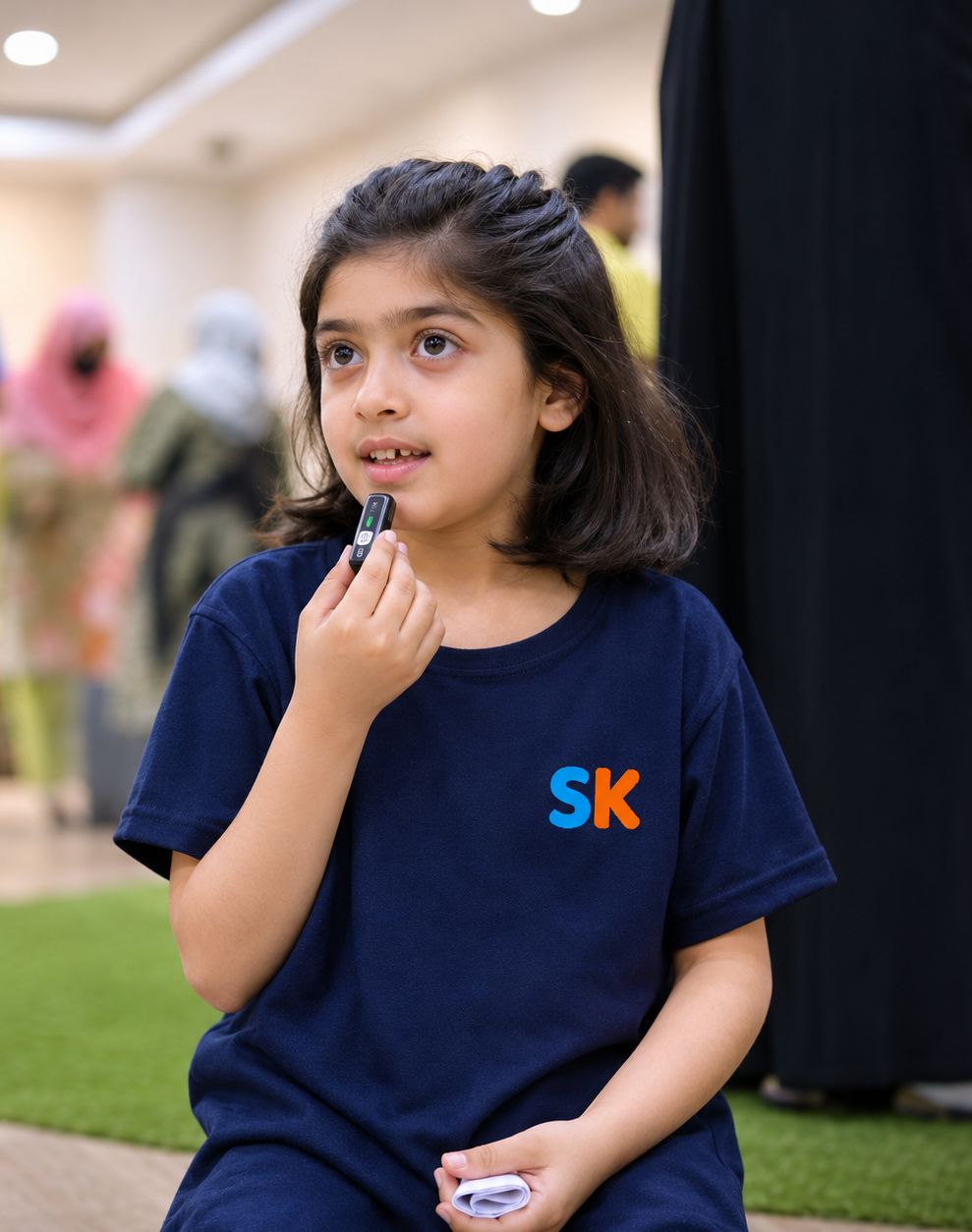
That opportunity arrived shortly after her graduation from the program. Zaima applied for and was selected for Youth Speak Forum 2.0, an event powered by AIESEC, where she got another opportunity to showcase Braceland.
This time, she could put her learning into practice with a different set of customers. She began understanding that people could be willing to pay a better price when they understood the inspiration behind a product, its uniqueness, and the thought that went into making it.
It was an important shift: moving from simply trying to sell a bracelet to helping a customer understand why they might want that particular bracelet.
Four Weeks Ended. Braceland Didn't.
During the program, Zaima also developed a website and an Instagram page for Braceland. These gave her a way to showcase her collection beyond the people she could meet in person.
After graduating, she continued working on both sides of the business.
She started participating in in-person selling activities, setting up stalls, meeting customers, presenting her bracelets, and collecting feedback. Alongside that, she began creating content for Instagram and accepting customized orders.
Her efforts gradually translated into monthly sales of approximately PKR 3,000.
There was still plenty for her to learn, but Braceland was no longer limited to the first collection she had taken to The Build Cave. She was continuing to make products, explore customer preferences, and discover how people responded to her work.
The People Who Made Room for Her Idea
Zaima's journey also reflects something important about the role families can play when children want to explore an interest.
Her father brought practical business exposure to the process. Having worked with different businesses in the gig economy, he understood that selling involved more than simply making a product available. Customers also considered its presentation, price, packaging, and overall experience.
He helped Zaima source materials, select beads, curate products, work on packaging, and prepare for in-person selling activities. He made sure she had the opportunity to experience different parts of the process rather than only focusing on making the bracelets.
Her mother helped maintain another equally important balance. She ensured that Zaima's education, school curriculum, and co-curricular activities remained a priority alongside her growing interest in Braceland.
Their support allowed Zaima to explore business without making it the centre of her childhood.
And that distinction matters. At seven, she did not need the pressure of running a business like an adult. She needed the space to create, the guidance to learn, and the freedom to discover what she enjoyed.
She Wanted the Four Weeks to Continue
During her exit interview, Zaima was asked about her experience at StartupKidz.
Her response was not centred on sales figures, pricing, or the number of bracelets she had made. She spoke about how much she enjoyed attending the in-person sessions, connecting with the team online, and spending time with the other young founders.
She had made friends, enjoyed being part of the group, and wanted to know if there were more sessions she could attend to continue learning.
The four week program had ended, but her connection with StartupKidz did not.
After graduating from Young Entrepreneur Program Batch 1.0, Zaima continued sharing updates with the team. She would show the products she was making, talk about her selling experiences, and share what customers thought of her bracelets.
She was still exploring what she wanted Braceland to become. There was no fixed long-term plan, and there did not need to be one just yet.
For now, she was happy creating, meeting customers, trying new things, and learning along the way.
Perhaps that is the most interesting part of Zaima's story.
A seven-year-old did not need to know exactly where her idea would take her. She simply needed someone to ask the right question, a family willing to help her explore the answer, and an opportunity to try.
It started with a candy she loved carrying in her pocket.
Four weeks later, she had made something of her own, sold her first collection, and discovered a little more about what she was capable of.
That little idea became Braceland. And Zaima's story is still being written.